- Home
- About
- Services
- Balcony Repair
- Balcony Waterproofing
- EIFS Repair
- Metal Flashing
- Moisture Intrusion Repair
- New Construction
- Stucco Crack Repair
- Stucco Installation
- Stucco Maintenance
- Stucco Painting
- Stucco Removal & Replacement
- Stucco Repair
- Stucco Restoration
- Stucco Substrate
- Stucco Veneer
- Stucco Water Damage Repair
- Stucco Waterproofing
- Weep Screed Installation
- Wood Rot Repair
- Areas
- Alvin, TX
- Balcony Repairs
- Balcony Waterproofing
- EIFS Repair
- Moisture Intrusion Repair
- New Construction
- Stucco Crack Repairs
- Stucco Invasive Inspection
- Stucco Maintenance
- Stucco Moisture Testing
- Stucco Painting
- Stucco Removal & Replacement
- Stucco Repair Store
- Stucco Repair Supply
- Stucco Repairs
- Stucco Restoration
- Stucco Water Damage Repair
- Stucco Waterproofing
- Weep Screed Installation
- Wood Rot Repair
- Baytown, TX
- Balcony Repairs
- Balcony Waterproofing
- EIFS Repair
- Moisture Intrusion Repair
- New Construction
- Stucco Crack Repairs
- Stucco Invasive Inspection
- Stucco Maintenance
- Stucco Moisture Testing
- Stucco Painting
- Stucco Removal & Replacement
- Stucco Repair Store
- Stucco Repair Supply
- Stucco Repairs
- Stucco Restoration
- Stucco Water Damage Repair
- Stucco Waterproofing
- Weep Screed Installation
- Wood Rot Repair
- Conroe, TX
- Balcony Repairs
- Balcony Waterproofing
- EIFS Repair
- Moisture Intrusion Repair
- New Construction
- Stucco Crack Repairs
- Stucco Invasive Inspection
- Stucco Maintenance
- Stucco Moisture Testing
- Stucco Painting
- Stucco Removal & Replacement
- Stucco Repair Store
- Stucco Repair Supply
- Stucco Repairs
- Stucco Restoration
- Stucco Water Damage Repair
- Stucco Waterproofing
- Weep Screed Installation
- Wood Rot Repair
- Cypress, TX
- Balcony Repairs
- Balcony Waterproofing
- EIFS Repair
- Moisture Intrusion Repair
- New Construction
- Stucco Crack Repairs
- Stucco Invasive Inspection
- Stucco Maintenance
- Stucco Moisture Testing
- Stucco Painting
- Stucco Removal & Replacement
- Stucco Repair Store
- Stucco Repair Supply
- Stucco Repairs
- Stucco Restoration
- Stucco Water Damage Repair
- Stucco Waterproofing
- Weep Screed Installation
- Wood Rot Repair
- Friendswood, TX
- Balcony Repairs
- Balcony Waterproofing
- EIFS Repair
- Moisture Intrusion Repair
- New Construction
- Stucco Crack Repairs
- Stucco Invasive Inspection
- Stucco Maintenance
- Stucco Moisture Testing
- Stucco Painting
- Stucco Removal & Replacement
- Stucco Repair Store
- Stucco Repair Supply
- Stucco Repairs
- Stucco Restoration
- Stucco Water Damage Repair
- Stucco Waterproofing
- Weep Screed Installation
- Wood Rot Repair
- Galveston, TX
- Balcony Repairs
- Balcony Waterproofing
- EIFS Repair
- Moisture Intrusion Repair
- New Construction
- Stucco Crack Repairs
- Stucco Invasive Inspection
- Stucco Maintenance
- Stucco Moisture Testing
- Stucco Painting
- Stucco Removal & Replacement
- Stucco Repair Store
- Stucco Repair Supply
- Stucco Repairs
- Stucco Restoration
- Stucco Water Damage Repair
- Stucco Waterproofing
- Weep Screed Installation
- Wood Rot Repair
- Greater Heights, TX
- Balcony Repairs
- Balcony Waterproofing
- EIFS Repair
- Moisture Intrusion Repair
- New Construction
- Stucco Crack Repairs
- Stucco Invasive Inspection
- Stucco Maintenance
- Stucco Moisture Testing
- Stucco Painting
- Stucco Removal & Replacement
- Stucco Repair Store
- Stucco Repair Supply
- Stucco Repairs
- Stucco Restoration
- Stucco Water Damage Repair
- Stucco Waterproofing
- Weep Screed Installation
- Wood Rot Repair
- Houston, TX
- Balcony Repairs
- Balcony Waterproofing
- EIFS Repair
- Moisture Intrusion Repair
- New Construction
- Stucco Crack Repairs
- Stucco Invasive Inspection
- Stucco Maintenance
- Stucco Moisture Testing
- Stucco Painting
- Stucco Removal & Replacement
- Stucco Repair Store
- Stucco Repair Supply
- Stucco Repairs
- Stucco Restoration
- Stucco Water Damage Repair
- Stucco Waterproofing
- Weep Screed Installation
- Wood Rot Repair
- Humble, TX
- Balcony Repairs
- Balcony Waterproofing
- EIFS Repair
- Moisture Intrusion Repair
- New Construction
- Stucco Crack Repairs
- Stucco Invasive Inspection
- Stucco Maintenance
- Stucco Moisture Testing
- Stucco Painting
- Stucco Removal & Replacement
- Stucco Repair Store
- Stucco Repair Supply
- Stucco Repairs
- Stucco Restoration
- Stucco Water Damage Repair
- Stucco Waterproofing
- Weep Screed Installation
- Wood Rot Repair
- Katy, TX
- Balcony Repairs
- Balcony Waterproofing
- EIFS Repair
- Moisture Intrusion Repair
- New Construction
- Stucco Crack Repairs
- Stucco Invasive Inspection
- Stucco Maintenance
- Stucco Moisture Testing
- Stucco Painting
- Stucco Removal & Replacement
- Stucco Repair Store
- Stucco Repair Supply
- Stucco Repairs
- Stucco Restoration
- Stucco Water Damage Repair
- Stucco Waterproofing
- Weep Screed Installation
- Wood Rot Repair
- League City, TX
- Balcony Repairs
- Balcony Waterproofing
- EIFS Repair
- Moisture Intrusion Repair
- New Construction
- Stucco Crack Repairs
- Stucco Invasive Inspection
- Stucco Maintenance
- Stucco Moisture Testing
- Stucco Painting
- Stucco Removal & Replacement
- Stucco Repair Store
- Stucco Repair Supply
- Stucco Repairs
- Stucco Restoration
- Stucco Water Damage Repair
- Stucco Waterproofing
- Weep Screed Installation
- Wood Rot Repair
- Meadows Place, TX
- Balcony Repairs
- Balcony Waterproofing
- EIFS Repair
- Moisture Intrusion Repair
- New Construction
- Stucco Crack Repairs
- Stucco Invasive Inspection
- Stucco Maintenance
- Stucco Moisture Testing
- Stucco Painting
- Stucco Removal & Replacement
- Stucco Repair Store
- Stucco Repair Supply
- Stucco Repairs
- Stucco Restoration
- Stucco Water Damage Repair
- Stucco Waterproofing
- Weep Screed Installation
- Wood Rot Repair
- Pearland, TX
- Balcony Repairs
- Balcony Waterproofing
- EIFS Repair
- Moisture Intrusion Repair
- New Construction
- Stucco Crack Repairs
- Stucco Invasive Inspection
- Stucco Maintenance
- Stucco Moisture Testing
- Stucco Painting
- Stucco Removal & Replacement
- Stucco Repair Store
- Stucco Repair Supply
- Stucco Repairs
- Stucco Restoration
- Stucco Water Damage Repair
- Stucco Waterproofing
- Weep Screed Installation
- Wood Rot Repair
- Spring, TX
- Balcony Repairs
- Balcony Waterproofing
- EIFS Repair
- Moisture Intrusion Repair
- New Construction
- Stucco Crack Repairs
- Stucco Invasive Inspection
- Stucco Maintenance
- Stucco Moisture Testing
- Stucco Painting
- Stucco Removal & Replacement
- Stucco Repair Store
- Stucco Repair Supply
- Stucco Repairs
- Stucco Restoration
- Stucco Water Damage Repair
- Stucco Waterproofing
- Weep Screed Installation
- Wood Rot Repair
- Pasadena, TX
- Balcony Repairs
- Balcony Waterproofing
- EIFS Repair
- Moisture Intrusion Repair
- New Construction
- Stucco Crack Repairs
- Stucco Invasive Inspection
- Stucco Maintenance
- Stucco Moisture Testing
- Stucco Painting
- Stucco Removal & Replacement
- Stucco Repair Store
- Stucco Repair Supply
- Stucco Repairs
- Stucco Restoration
- Stucco Water Damage Repair
- Stucco Waterproofing
- Weep Screed Installation
- Wood Rot Repair
- Sugar Land, TX
- Balcony Repairs
- Balcony Waterproofing
- EIFS Repair
- Moisture Intrusion Repair
- New Construction
- Stucco Crack Repairs
- Stucco Maintenance
- Stucco Invasive Inspection
- Stucco Moisture Testing
- Stucco Painting
- Stucco Removal & Replacement
- Stucco Repair Store
- Stucco Repair Supply
- Stucco Repairs
- Stucco Restoration
- Stucco Water Damage Repair
- Stucco Waterproofing
- Weep Screed Installation
- Wood Rot Repair
- The Woodlands, TX
- Balcony Repairs
- Balcony Waterproofing
- EIFS Repair
- Moisture Intrusion Repair
- New Construction
- Stucco Crack Repairs
- Stucco Invasive Inspection
- Stucco Maintenance
- Stucco Moisture Testing
- Stucco Painting
- Stucco Removal & Replacement
- Stucco Repair Store
- Stucco Repair Supply
- Stucco Repairs
- Stucco Restoration
- Stucco Water Damage Repair
- Stucco Waterproofing
- Weep Screed Installation
- Wood Rot Repair
- Tomball, TX
- Balcony Repairs
- Balcony Waterproofing
- EIFS Repair
- Moisture Intrusion Repair
- New Construction
- Stucco Crack Repairs
- Stucco Invasive Inspection
- Stucco Maintenance
- Stucco Moisture Testing
- Stucco Painting
- Stucco Removal & Replacement
- Stucco Repair Store
- Stucco Repair Supply
- Stucco Repairs
- Stucco Restoration
- Stucco Water Damage Repair
- Stucco Waterproofing
- Weep Screed Installation
- Wood Rot Repair
- Alvin, TX
- Financing
- Inspection
- Contact

(713) 478-1942
- Home
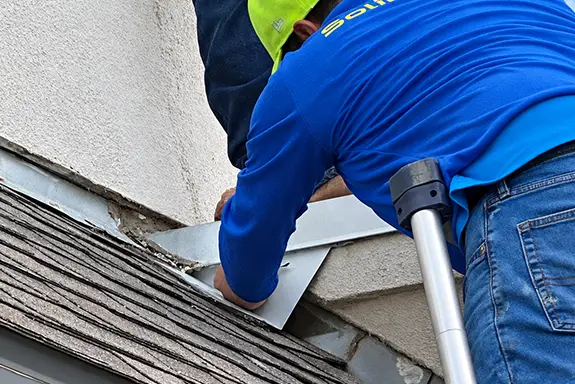
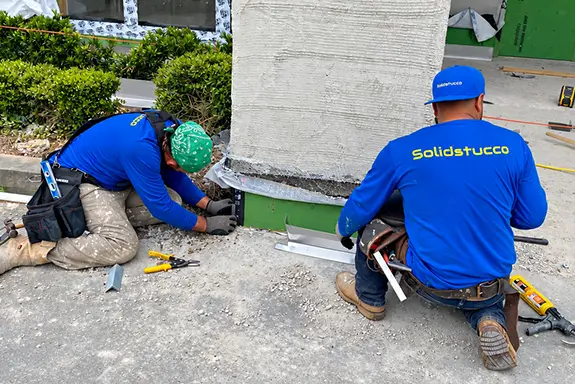
- Metal Flashing